Understanding the Nature of Odds
One of the most pervasive myths in the world of casino gambling is the belief that players can somehow manipulate the odds through strategies or patterns. Many gamblers enter casinos with the idea that by observing previous outcomes, they can gain insights into future results. This notion, however, is fundamentally flawed. In games such as roulette or slot machines, each spin is an independent event, unaffected by what has happened before. The odds are mathematically established, meaning they remain constant regardless of prior outcomes, leading to misguided strategies that often end in losses rather than gains. Players looking for entertainment often explore various betting sites to enhance their gaming experience, but understanding the odds is crucial for responsible gambling.
Additionally, even in skill-based games like poker, chance plays a significant role. While skilled players can increase their chances of winning through strategic play, the randomness of card draws and the unpredictability of opponents ensure that luck is always a factor. A seasoned poker player may find themselves losing due to an unexpected turn of events, illustrating that skill alone cannot guarantee success. Recognizing this interplay between skill and chance is crucial for anyone looking to engage in gambling responsibly.
The illusion of control further complicates the understanding of odds in gambling. Many players convince themselves that they can predict outcomes, which leads to a false sense of security. This belief often results in substantial financial losses as players chase their losses, thinking they are just one lucky spin away from a significant win. Understanding that games are designed to maintain a house edge helps set realistic expectations about gambling outcomes, encouraging players to approach gambling as a form of entertainment rather than a surefire way to win money.
The Role of ‘Hot’ and ‘Cold’ Machines
The concept of ‘hot’ and ‘cold’ machines is a widespread misconception in the casino industry. Many players believe that certain slot machines are more likely to pay out based on their recent performance. This belief stems from a psychological tendency to search for patterns in random events. However, modern slot machines utilize random number generators (RNGs), ensuring that every spin is random and independent of previous results. This means that a machine that seems to have been ‘cold’ is not necessarily ‘due’ for a payout.
This myth can lead to players feeling as though they are missing out on potential winnings by not sticking with particular machines. The thrill of hitting a jackpot can blind players to the reality that their chances of winning remain constant with each spin. This fixation on perceived patterns can lead to extended periods of play, resulting in wasted time and money as players await a payout that may never come.

Furthermore, casinos often employ various marketing tactics—such as enticing sounds and vibrant lights—to create an atmosphere that enhances the gambling experience. These elements can further perpetuate the myth of hot and cold machines, as players associate these sensory cues with winning. Understanding that these are merely marketing strategies rather than indicators of potential success can help players maintain a more rational perspective when gambling, allowing them to enjoy the experience without falling prey to false beliefs.
The Gambler’s Fallacy
The Gambler’s Fallacy is a cognitive bias that significantly impacts how individuals perceive their chances while gambling. This fallacy arises when players mistakenly believe that past independent events can influence future outcomes. For instance, if a coin is flipped multiple times and consistently lands on heads, some may conclude that tails is ‘due’ to occur on the next flip. This misunderstanding can lead to flawed betting strategies and misguided expectations.
Often, players may increase their bets after a series of losses, convinced that a win is imminent. This behavior, known as chasing losses, can create a cycle of financial difficulties, as players fail to recognize that each bet is an independent event with odds that remain unchanged. Understanding the independent nature of each outcome is essential for developing a more sustainable approach to gambling, allowing players to enjoy the experience without falling into the trap of misguided assumptions.
Moreover, the emotional rollercoaster induced by the Gambler’s Fallacy can further complicate decision-making. Players might feel compelled to continue betting or to wager more after experiencing losses, driven by the belief that their luck must eventually change. By recognizing and understanding this fallacy, players can empower themselves to make informed choices. This self-awareness ensures they maintain control over their gambling behaviors, preventing them from becoming victims of the belief that fate must balance itself out in the long run.
Myths about Gambling Addiction
One of the most damaging misconceptions surrounding casino gambling is the belief that only a small fraction of players develop gambling addictions. While it’s true that not everyone who gambles becomes addicted, the reality is that gambling can lead to problematic behaviors for many individuals regardless of their initial intentions. Factors such as mental health issues, financial stress, and social influences can all make a person susceptible to developing a gambling addiction.
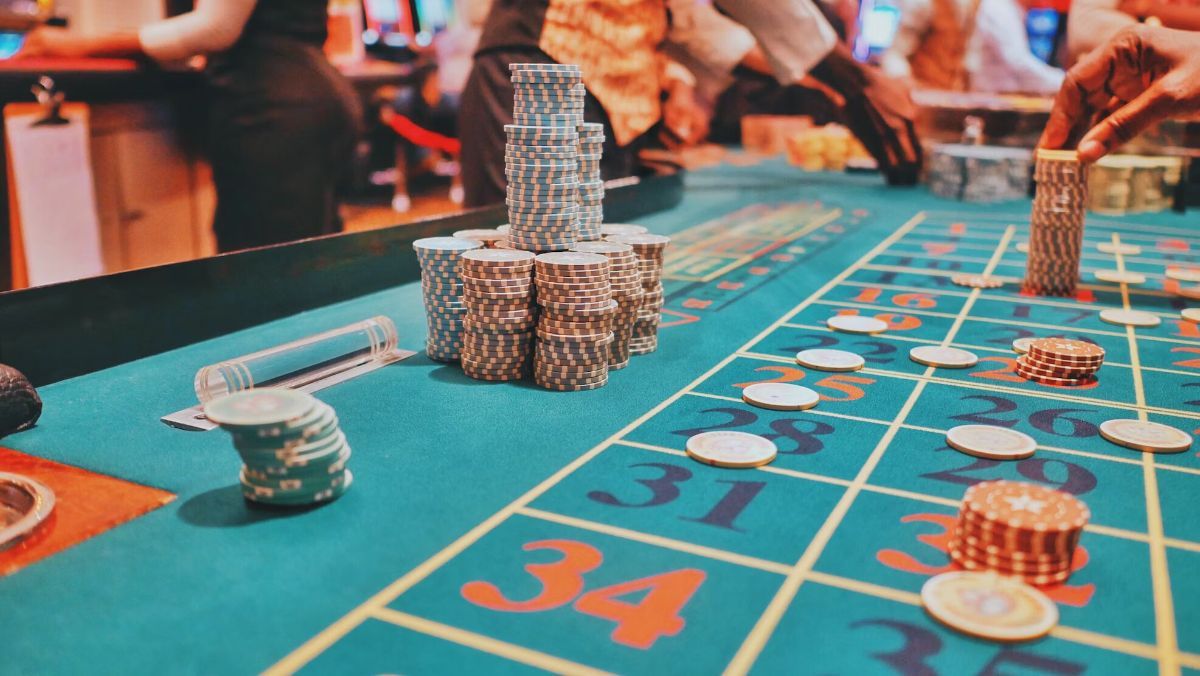
Moreover, myths about moderation and self-control can obscure the signs of addiction. Many individuals convince themselves that they can stop gambling whenever they choose, often underestimating the compulsive nature of the activity. Acknowledging that gambling addiction is a significant issue affecting countless individuals and their families is essential. Understanding the importance of seeking help when needed is crucial for preventing gambling from becoming a destructive force in one’s life.
The stigma surrounding gambling addiction often prevents individuals from seeking the help they need. Many fear judgment or experience shame regarding their behavior, leading them to suffer in silence. Breaking down these myths and encouraging open discussions about gambling addiction is vital for fostering a healthier relationship with gambling. By creating an environment that promotes understanding and support, more individuals can access the resources necessary for recovery and healing.
Resources for Responsible Gambling
Access to resources that promote responsible gambling practices is crucial for a positive gambling experience. Many casinos and online platforms now provide tools that allow players to set limits on their spending and time spent gambling. These resources are instrumental in helping individuals maintain better control over their habits, ensuring that entertainment does not transform into a harmful compulsion. Understanding and utilizing these tools can serve as an essential counterbalance to the myths that often accompany gambling.
In addition to individual tools, various organizations are dedicated to supporting problem gamblers by offering services such as helplines, counseling, and support groups. These resources play a critical role in raising awareness about the potential risks associated with gambling while providing individuals with the necessary tools to maintain a healthy gambling experience. Educational initiatives aimed at younger audiences can contribute to a cultural shift regarding perceptions of gambling and its associated risks, promoting responsible behavior from an early age.
Finally, individuals who wish to engage in gambling responsibly can do so by staying informed about the myths that pervade the industry. Understanding the realities behind these misconceptions can lead to a more informed and enjoyable experience when visiting a casino. Players should always approach gambling as a form of entertainment rather than a solution to financial problems. By maintaining a balanced perspective, individuals can partake in gambling activities that are both enjoyable and socially responsible, minimizing the risk of developing unhealthy gambling habits.